Unmasking Your Money Mind: Overcoming Behavioral Biases in Investing
Are your investment decisions truly rational, or are hidden psychological forces at play? Many investors believe they operate with pure logic, yet the reality is that our brains are wired with inherent biases that can profoundly impact our financial outcomes. Understanding and overcoming these behavioral biases in investing is not just an academic exercise; it’s a critical step toward building a more resilient and profitable portfolio. This comprehensive guide will unmask the common psychological traps that ensnare investors and equip you with practical strategies to conquer your money mind, leading to smarter, more disciplined investment choices.
What Are Behavioral Biases in Investing?
Behavioral biases in investing are systematic errors in judgment that arise from cognitive shortcuts or emotional influences, leading individuals to make irrational financial decisions. These biases can cause investors to deviate from optimal strategies, leading to missed opportunities, excessive risk-taking, or premature selling. Recognizing these patterns is the first step toward mitigating their impact on your investment portfolio and achieving your long-term financial goals.
Why Do Our Brains Play Tricks on Our Money?
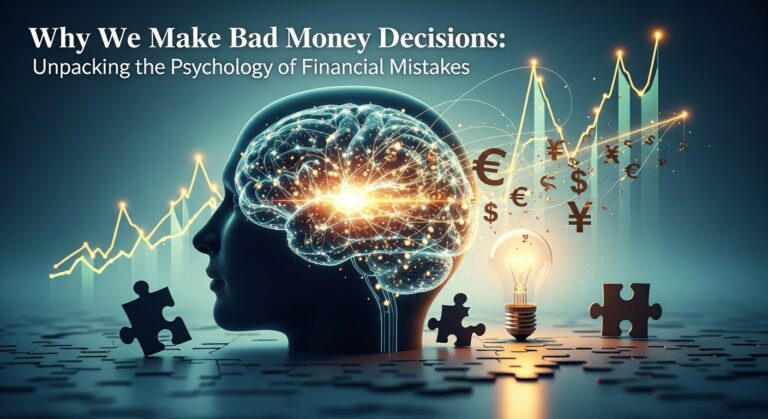
Our brains are designed for survival, not for navigating the complexities of modern financial markets. They rely on heuristics – mental shortcuts – to process information quickly. While these shortcuts are efficient in daily life, they can become pitfalls in investing, where calm, rational analysis is paramount. Emotions like fear and greed, alongside cognitive biases, can override logical thought, pushing us towards decisions we later regret. Understanding this fundamental conflict between our primal instincts and the demands of sound investing is crucial.
Common Behavioral Biases Sabotaging Your Portfolio
Let’s delve into some of the most prevalent behavioral biases that can derail even the most well-intentioned investment strategies. By identifying them, you’re better prepared to counteract their influence.
Confirmation Bias: The Echo Chamber Effect
Confirmation bias is the tendency to seek out, interpret, and favor information that confirms your existing beliefs, while simultaneously ignoring or downplaying evidence that contradicts them. In investing, this might manifest as only reading articles that support your bullish view on a particular stock, even if there’s significant negative news.
Impact: Leads to overconfidence, poor diversification, and an inability to adapt to changing market conditions.
How to Combat: Actively seek out dissenting opinions. Read analyses from sources with different perspectives.